Explore the most up to date Fads in Engine Modern Technology With Tazz
In the swiftly progressing landscape of auto innovation, Tazz stands at the leading edge, highlighting considerable developments in engine systems that prioritize both technology and sustainability. tazz. From crossbreed engines that maximize gas efficiency to the introduction of hydrogen fuel cells, the fads shaping contemporary powertrains are not only enhancing performance yet likewise addressing vital ecological challenges. As the industry remains to push boundaries, it is essential to consider exactly how these developments will influence future transport options and the broader implications for international energy consumption. What lies ahead in this critical makeover?
Hybrid Engine Innovations
Hybrid engine innovations stand for a crucial shift in automotive technology, combining the benefits of inner combustion engines with electric propulsion systems. This assimilation not only improves fuel performance yet likewise minimizes discharges, meeting increasingly strict ecological laws. By making use of both energy resources, hybrid engines can optimize performance, supplying power when required while preserving fuel throughout much less demanding motoring conditions.
Current advancements in crossbreed modern technology include enhancements in battery efficiency and regenerative braking systems. These technologies enable higher energy healing during deceleration, which can be redirected to aid in acceleration or power auxiliary systems. Additionally, suppliers are concentrating on lightweight products and compact layouts to make best use of the efficiency of crossbreed powertrains.
The advancement of plug-in hybrids has actually likewise broadened the market, allowing vehicle drivers to charge their cars using common electrical outlets. This attribute often permits considerable all-electric array, additional reducing reliance on typical gas. tazz. As the automotive sector continues to progress, hybrid engine innovations are anticipated to play a vital function in bridging the void in between traditional vehicles and fully electric designs, providing a transitional solution that accommodates varied consumer requirements and preferences
Breakthroughs in Electric Powertrains
The automobile landscape is quickly evolving, with electric powertrains becoming a leading force in sustainable transportation. Advances in electric lorry (EV) modern technology are dramatically improving customer, performance, and efficiency experience. Secret innovations consist of enhancements in battery chemistry, which have enhanced power density, lowered billing times, and expanded total battery life.
Solid-state batteries, as an example, guarantee to transform the market by supplying higher safety and security and efficiency contrasted to standard lithium-ion cells. Additionally, innovations in regenerative stopping systems are allowing vehicles to recuperate energy during slowdown, adding to total efficiency.
Along with battery innovation, electric motor designs are coming to be much more advanced. Innovations such as integrated motors and advanced thermal monitoring systems are aiding to maximize power distribution and reduce weight, eventually boosting vehicle characteristics.

Jointly, these advances emphasize the dedication to change towards cleaner, much more effective transportation options, positioning electrical powertrains at the forefront of automotive technology.
The Increase of Hydrogen Gas Cells
Significantly, hydrogen fuel cells are gaining grip as a viable choice to traditional inner burning engines and battery electrical cars. This innovation uses the chemical energy kept in hydrogen, converting it into electricity with an electrochemical response with oxygen. The primary by-product of this procedure is water, making hydrogen gas cells an ecologically friendly option with no emissions at the tailpipe.
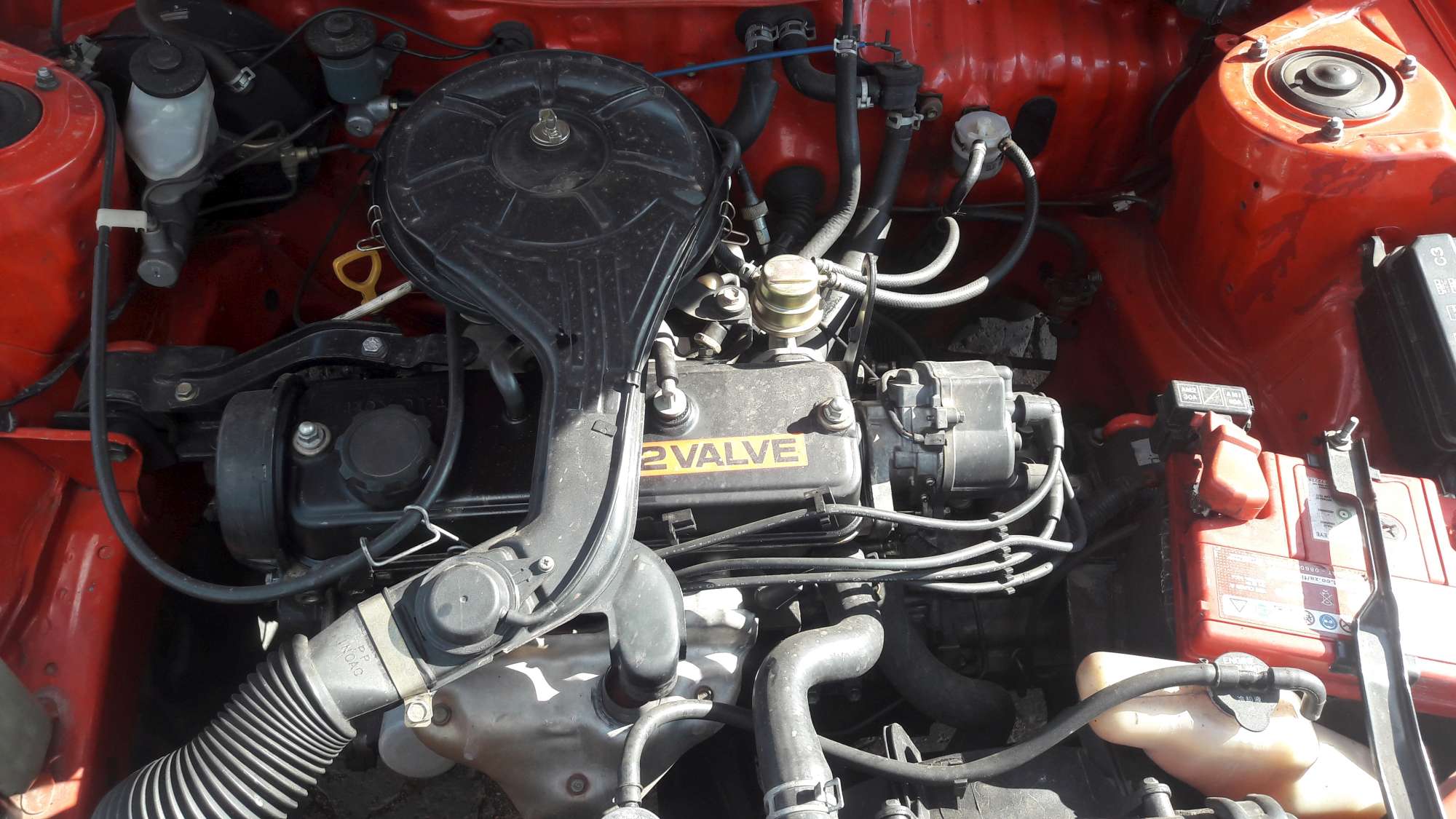
Car manufacturers are significantly purchasing hydrogen gas cell innovation, recognizing its capacity for long-range applications and rapid refueling abilities that match conventional fuels. Additionally, markets such as heavy-duty transportation and public transportation are particularly well-suited for hydrogen fuel cells, where battery electrical solutions may drop short because of weight and variety restrictions.
As research and investment remain to increase, hydrogen fuel cells are poised to play a substantial duty in the future landscape of tidy transportation and power solutions.
Enhancements in Internal Burning Engines
Advancements in inner combustion engine (ICE) technology are transforming standard automobiles to satisfy modern-day ecological criteria and performance expectations. Direct fuel shot, for instance, allows for far better atomization of fuel, leading to more complete combustion and boosted power result.
Additionally, turbocharging has actually acquired prominence, permitting smaller engines to deliver greater efficiency without the weight of bigger engines - tazz. This modern technology not just improves performance however additionally contributes to lower fuel intake. Variable shutoff timing systems are also being fine-tuned, allowing engines to adapt to different driving problems for improved torque and responsiveness
Moreover, making use of light-weight products in engine construction is ending up being basic, additional enhancing gas efficiency by reducing general vehicle weight. Engine control units (ECUs) are increasingly advanced, allowing real-time changes that enhance performance and discharges.
These improvements collectively symbolize an essential change in ICE modern technology, lining up with international sustainability objectives while still giving the performance drivers get out of their cars. As the market evolves, these improvements continue to shape the future of conventional automotive design.
Future Fads in Engine Efficiency
Substantial advancements in engine performance are expected as makers concentrate on incorporating advanced technologies to satisfy stringent ecological guidelines and consumer demands. The shift towards electrification, crossbreed systems, and different fuels is reshaping the auto landscape, driving developments that enhance gas economic climate and decrease discharges.
One of the crucial trends is the execution of innovative materials and making techniques. High-strength alloys and lightweight composites add to lowered car weight, therefore boosting general efficiency. Additionally, the fostering of turbocharging and variable valve timing modern technologies enables improved power outcome from smaller sized click now engines, additionally enhancing gas economic situation.
Final Thought
To conclude, the exploration of engine technology reveals significant developments that prioritize sustainability and effectiveness. Advancements in crossbreed engine systems, electrical powertrains, and hydrogen gas cells show a commitment to reducing discharges while boosting performance. In addition, enhancements in interior combustion engines and a concentrate on lightweight products add to total engine performance. As the vehicle market proceeds to develop, these patterns will play a critical duty in shaping a cleaner and more sustainable future for transport.
From hybrid engines that maximize fuel performance to the emergence of hydrogen gas cells, the patterns forming modern-day powertrains are not just improving efficiency but additionally dealing with essential environmental difficulties.Crossbreed engine innovations stand for More about the author a crucial shift in auto modern technology, integrating the benefits of inner burning engines with electrical propulsion systems.In addition, turbocharging has actually gained prestige, allowing smaller engines to deliver higher performance without the weight of larger engines. In addition, the adoption of turbocharging and variable valve timing innovations enables for enhanced power output from smaller sized engines, even more improving gas economic situation.
Enhancements in inner burning engines and an emphasis on light-weight materials contribute to overall engine efficiency.